
How to Charter Greek Islands for Your Best Week
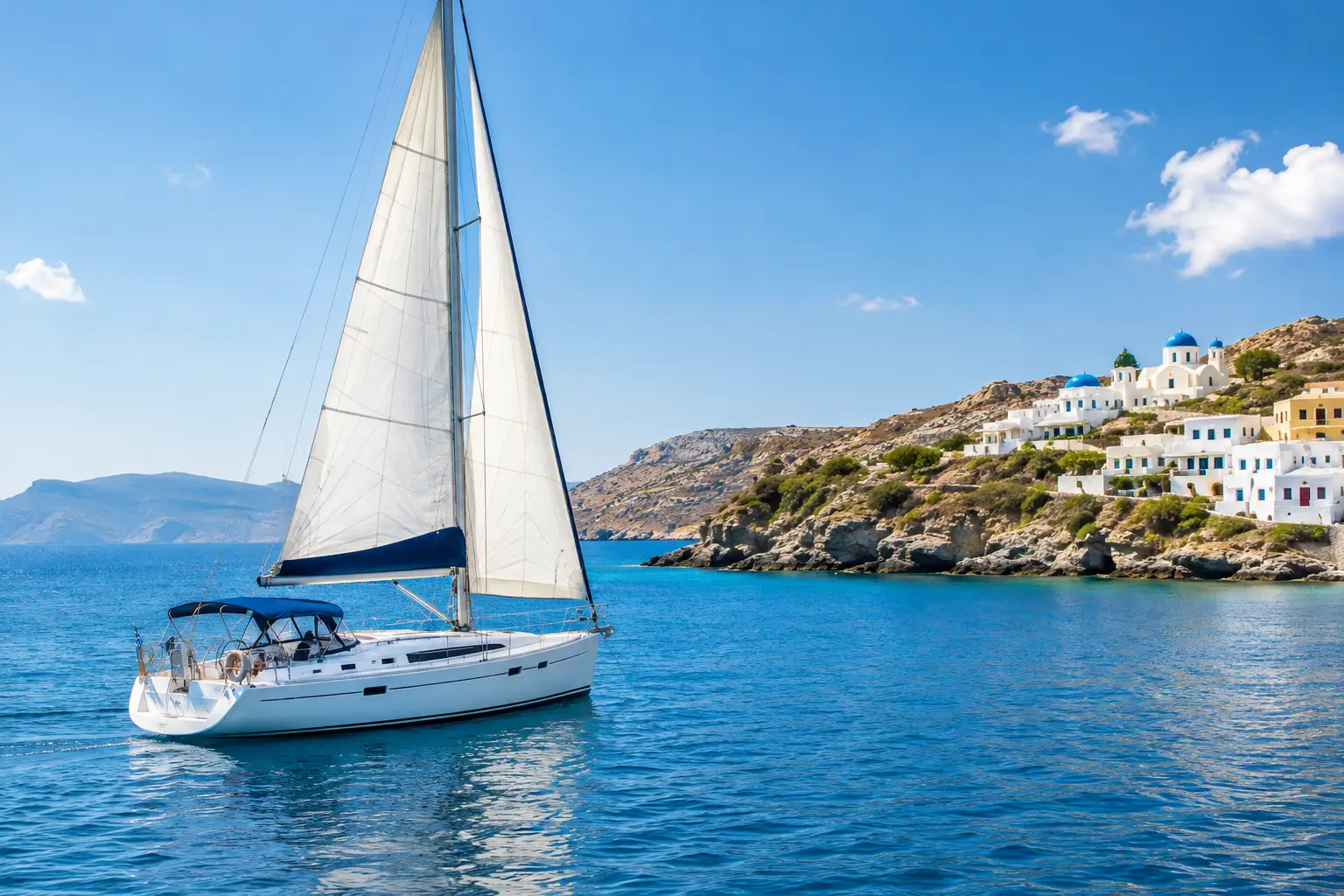
A Greek island vacation looks very different from the deck of a sailing yacht. One morning might begin with coffee in a quiet harbor, followed by a swim before breakfast and lunch at a waterfront taverna you could not reach by car. If you are wondering how to charter Greek islands, the best place to start is not with a long wish list of islands. Start with the kind of week you want to have: active and independent, relaxed and crew-led, or somewhere in between.
A charter gives you the freedom to shape the days around your group. It also asks for a few smart decisions before you step aboard. Choosing the right region, yacht, charter type, and season will make your sailing holiday feel wonderfully easy rather than overplanned.
Choose Your Greek Island Charter Style First
The biggest decision is whether to take a bareboat charter, hire a skipper, or book a fully crewed experience. Each creates a different kind of holiday.
A bareboat charter is for sailors who hold the appropriate qualifications and have enough practical experience to take responsibility for the yacht, navigation, mooring, weather decisions, and daily operations. It offers real independence. You set the pace, choose the anchorages, and decide whether today is for sailing miles or a long, lazy lunch ashore.
A skippered charter is often the best choice for couples, families, and groups of friends who want the pleasure of sailing without the pressure of being in command. Your skipper knows the local conditions, can suggest the right harbor for the forecast, and handles the technical side of the trip. You still have a real say in the itinerary, but you have an experienced professional to guide the week.
For a more relaxed holiday, ask about adding a hostess or crew services. This can be particularly valuable for larger groups or guests celebrating something special. The right crew brings local insight, keeps the day moving comfortably, and leaves everyone more time for swimming, dining, and enjoying the view.
Pick a Region That Matches Your Pace
Greece is not one single sailing ground. The islands are spread across several regions, and each has its own character, distances, winds, and harbor rhythm. Trying to cross too much ground in one week is one of the quickest ways to turn a holiday into a schedule.
Crete and Dia Island
For travelers based in Heraklion, a sailing day to Dia Island is an easy introduction to life on the Aegean. The island’s clear blue water, protected bays, and swimming stops create a memorable break from beach clubs and sightseeing days on land. It is ideal for a half-day or full-day private cruise, especially if your group wants snorkeling, refreshments, and time to simply relax on board.
For a longer charter beginning in Crete, the itinerary needs careful planning because distances can be greater and weather plays an important role. Crete rewards guests who appreciate a more open-water sailing experience and are happy to let the conditions help shape the route.
The Cyclades
The Cyclades are the classic image many visitors have in mind: white villages, bright blue water, lively ports, and islands such as Paros, Naxos, Mykonos, Milos, and Santorini. They can be spectacular, but summer winds known as the meltemi may be strong, especially in July and August.
This region suits confident sailors and groups with a skipper who are comfortable being flexible. A good itinerary may change based on the wind direction, and that is not a compromise. It is how you find the most enjoyable sailing and the safest overnight stop.
The Saronic Gulf and Ionian Islands
The Saronic Gulf, near Athens, is a friendly option for first-time charter guests. Islands and coastal towns are generally close together, which allows for shorter sailing days and plenty of time ashore. It works well for families and groups who want a gentle introduction to yacht life.
The Ionian Islands offer greener scenery, calmer summer conditions, and charming harbors. Lefkas, Corfu, Kefalonia, and Zakynthos are popular starting points for crews who prefer a relaxed route with beautiful bays and less demanding winds. If your dream week includes frequent swimming stops and unhurried evenings, the Ionian may be a better fit than a high-season Cyclades itinerary.
Choose a Yacht for the Way Your Group Travels
Do not choose a yacht based on photos alone. Cabin layout, bathrooms, deck space, shade, and storage all matter once you are living on board for several days.
A modern monohull sailing yacht gives guests the classic feeling of sailing Greece: close to the water, responsive under sail, and comfortable for a group that enjoys being together in the cockpit. For many parties of six to eight guests, it offers the right balance of performance, comfort, and value. Larger groups may need a yacht with more cabins or a layout that provides additional privacy.
Ask how many guests can sleep aboard comfortably, not simply the maximum legal capacity. A boat rated for 10 people may feel ideal for eight overnight guests, depending on the cabin arrangement. Also ask about air conditioning, generator use, bathrooms, water capacity, dinghy access, and shade over the cockpit. These practical details shape the comfort of every day.
Cretan Yachts maintains its own modern fleet, which helps guests get clear information about the yacht they are booking rather than relying on generic descriptions. For a week-long charter, it is worth discussing your group’s sailing experience, ages, preferences, and luggage expectations before selecting the vessel.
Plan a Route, Not a Race
When learning how to charter Greek islands, remember that the finest itineraries leave room for change. Weather forecasts, port availability, a favorite bay, or a recommendation from your skipper may inspire a better plan than the one you made at home.
As a general rule, build in sailing days that feel manageable for everyone. Two to four hours underway can be a lovely day when it includes a morning departure, a swim stop, and an afternoon arrival. Longer passages have their place, especially for experienced sailors, but they should serve the experience rather than dominate it.
Avoid planning a new island every night just to collect names. Staying two nights in a harbor can mean a slow morning, a walk through the village, dinner without watching the clock, and a chance to enjoy a place after day visitors have gone. Greece often feels most special in those quieter hours.
Your skipper may recommend a different harbor than the one you expected. Trust that advice. Wind direction, swell, and the availability of safe mooring are more important than sticking to a map pin.
Budget Beyond the Charter Price
Your charter fee covers the yacht and, depending on the booking, may include the skipper or other agreed services. But a realistic vacation budget should also allow for fuel, marina fees, provisions, meals ashore, airport transfers, gratuities, and optional extras such as paddleboards or a hostess.
Costs vary by region and season. Popular marinas and high-demand islands can be more expensive, while anchoring in a peaceful bay may cost little or nothing. Provisioning is another choice: some groups enjoy shopping at local markets and cooking breakfast and lunch aboard, while others prefer to keep the galley simple and discover tavernas each evening.
Ask for a clear outline of what is included and what is paid locally before you book. Transparent expectations make it easier to relax once the lines are cast off.
Book for the Season You Actually Want
July and August bring the hottest weather, the busiest harbors, and the most energy ashore. They are wonderful for travelers who enjoy a lively atmosphere and do not mind booking well ahead. In the Cyclades, they can also bring stronger winds, so a capable skipper and flexible mindset are especially useful.
May, June, September, and early October often offer a more relaxed balance. The sea is inviting, the days are warm, and restaurants and ports feel less crowded. September is a favorite for many experienced charter guests because the water has warmed all summer while the intense peak-season pace begins to ease.
For families, consider school schedules alongside the heat, travel time, and the length of your intended sailing days. For couples, a shoulder-season sunset at anchor may be exactly the quiet luxury you were hoping for.
Prepare for an Easy First Day on Board
Pack soft luggage rather than hard suitcases, as storage is limited in cabins. Bring reef-safe sunscreen, a hat with a secure strap, swimwear, a light layer for evening breezes, and non-slip shoes for moving around the deck. Keep valuables and travel documents in a waterproof pouch.
Before departure, listen carefully to the safety briefing. Learn where the life jackets are stored, how to move safely when the yacht is underway, and what to expect when entering a harbor or anchoring. Children should be supervised on deck at all times, and everyone should follow the skipper’s guidance during maneuvers.
Then allow the rhythm of the boat to take over. Leave space for the unexpected cove, the extra swim, and the small harbor where dinner lasts longer than planned. The Greek islands are best chartered with a plan in hand and enough freedom to let the sea improve it.
