
Plan a Multi Island Charter That Feels Effortless
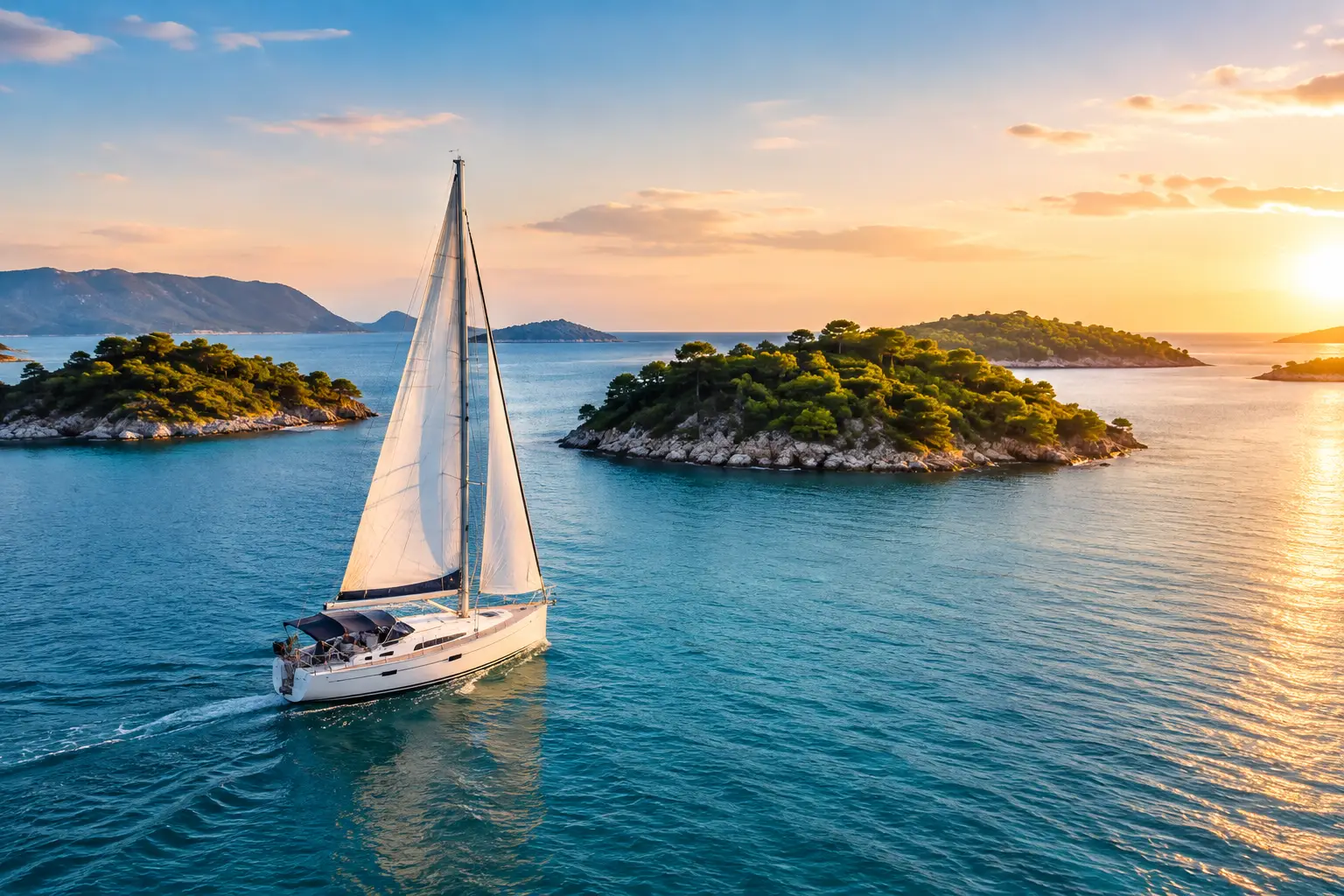
The best mornings on a Greek yacht do not begin with a rushed departure. They begin with coffee in a quiet harbor, a look at the weather, and the easy question of whether to swim before breakfast or after. A multi island charter gives you that freedom - but only when the route leaves room for the moments that make sailing memorable.
For some guests, that means finding a small cove before the day boats arrive. For others, it is lunch at a waterside taverna, a sunset sail between islands, or a night in a harbor where the walk from the yacht leads straight into a lively village. The goal is not to collect the most island names. It is to enjoy the sea, the yacht, and each stop without watching the clock.
Start Your Multi Island Charter With the Right Pace
A Greek island itinerary can look deceptively simple on a map. Islands may appear close together, yet the experience of traveling between them changes with the wind, the harbor conditions, your crew’s confidence, and how much time your group truly wants ashore.
A one-week charter usually feels best with a focused route rather than an ambitious crossing plan. Two or three carefully chosen areas can offer plenty of variety: clear-water anchorages, traditional villages, beach stops, and evenings in a different port. Trying to visit a new island every day can be exciting for experienced sailors who enjoy long passages, but it may leave first-time guests feeling that they spent their vacation packing swimsuits and looking at navigation screens.
Build in at least one flexible day. The Meltemi winds in the Aegean are part of what makes Greek sailing so exhilarating, especially in summer, but they can also change the most comfortable route. A flexible itinerary is not a compromise. It is how a good skipper turns changing conditions into a better day on the water.
Choose a region that matches your time on board
Greece offers very different charter moods. The Cyclades are known for whitewashed villages, dramatic coastlines, open-water sailing, and strong summer breezes. They suit guests who want the classic Aegean feeling and do not mind a little more adventure between ports.
The Dodecanese can feel more relaxed, with a broad choice of islands, historic harbor towns, and generally manageable distances when planned well. The Saronic Gulf near Athens is a smart option for shorter charters because crossings can be compact and the ports are easy to combine. The Ionian is often a favorite for families and newer sailors thanks to its greener scenery, sheltered waters, and gentler rhythm. Crete and its surrounding waters offer another kind of reward: bigger horizons, distinct local character, and anchorages that feel far removed from the busy shore.
The right region depends on your departure point, number of days, sailing experience, and appetite for passages. It also depends on what your group considers a perfect day. A family with young children may prefer short sails and long swim stops. A group of friends may be happy trading a few extra nautical miles for a vibrant evening ashore.
Plan Stops That Give Each Island a Purpose
Every stop should add something different to the trip. One island might be for snorkeling above bright blue water. The next may be chosen for a market, a hillside walk, or dinner on a harborfront. Another may simply be a peaceful anchorage where everyone stays aboard, swims from the yacht, and watches the sky change color.
This is where a captain’s local knowledge matters. The most photographed harbor is not always the most enjoyable place to arrive at peak season. A professional crew can recommend a quieter bay, adjust arrival time to avoid congestion, or suggest a port with better protection for the evening’s forecast.
It is worth discussing priorities before you board. Tell your skipper whether your group wants lively towns, quiet bays, water sports, restaurant reservations, cultural sites, or as much sailing as possible. There is no wrong answer, but a route designed around your real preferences feels personal from the first day.
Do not over-plan meals ashore, either. Greek island cruising has a wonderful way of creating spontaneous decisions: a taverna that smells too good to pass, a bakery near the quay, or a calm anchorage that makes an onboard lunch the obvious choice. Keep a few evenings open for what the route reveals.
Choose the Yacht and Charter Style Carefully
The yacht shapes the entire vacation. A modern monohull sailing yacht gives guests the pleasure of feeling the wind and moving naturally through the water. It is ideal for people who want sailing to be part of the experience, not just transportation between beaches. Cabin layout, bathrooms, shade, deck space, and storage all matter when several people are living together for a week.
For couples or smaller groups, a yacht with a comfortable cockpit and a well-designed cabin layout can feel wonderfully private. For families and groups of friends, it is often wiser to prioritize shared deck space, enough bathrooms, and cabins that allow everyone to rest comfortably. A larger yacht may cost more, but it can be the difference between a good trip and a truly relaxed one.
A bareboat charter offers independence to qualified sailors who are comfortable with route planning, mooring, anchoring, and changing conditions. It is rewarding, but it also carries real responsibility. If you want the freedom to enjoy the journey without handling every decision, a skippered charter is often the better choice. Your captain manages the yacht, watches the forecast, and helps shape a route around the day’s best possibilities.
For guests who would like a personal Greek sailing holiday with a modern, carefully maintained yacht, Cretan Yachts can arrange bareboat or skippered charter experiences for groups who want to explore beyond a single day at sea.
Leave Space for the Best Part: Being on the Water
A successful charter has a rhythm. Mornings are often best for sailing before the heat builds, followed by a swim stop in a protected bay. Afternoons can be slow and sunny, with snacks in the cockpit, snorkeling equipment ready, and no reason to hurry until it is time to enter the next harbor.
Bring soft luggage rather than hard suitcases, since yacht cabins have limited storage. Pack swimwear, a light layer for breezy evenings, sun protection, non-slip sandals, and anything you need for motion comfort. Even guests who rarely get seasick may appreciate medication or wristbands on a windier route. The sea is usually kinder when you are hydrated, rested, and not trying to read below deck during a passage.
A little preparation also helps the group live well together. Decide how you will handle groceries, restaurant meals, music, shower time, and shared expenses before small details become annoying. On a yacht, consideration goes a long way. Keeping the deck tidy and the cabin doors closed while underway makes the boat safer and more pleasant for everyone.
Let Safety Guide the Itinerary
The most beautiful route is never worth forcing. Weather changes, harbors fill up, and a favorite anchorage may not offer the protection needed for a comfortable night. Experienced crews make careful decisions early, not because they are being cautious for its own sake, but because comfort and safety give everyone the confidence to relax.
Listen during the safety briefing. Learn where life jackets are stored, how to move around the yacht while sailing, and what to do when entering or leaving the water. Children should always be supervised near the rail and while swimming, even in calm conditions. If the captain recommends a different harbor or an earlier departure, that advice comes from reading the sea rather than following a fixed vacation schedule.
The reward for this flexibility is often a better experience than the original plan: a sheltered cove, an unexpectedly lovely village, or a calm night under the stars. Leave room for the route to surprise you, and your Greek islands will feel less like a checklist and more like a story you will want to tell long after you return home.
